
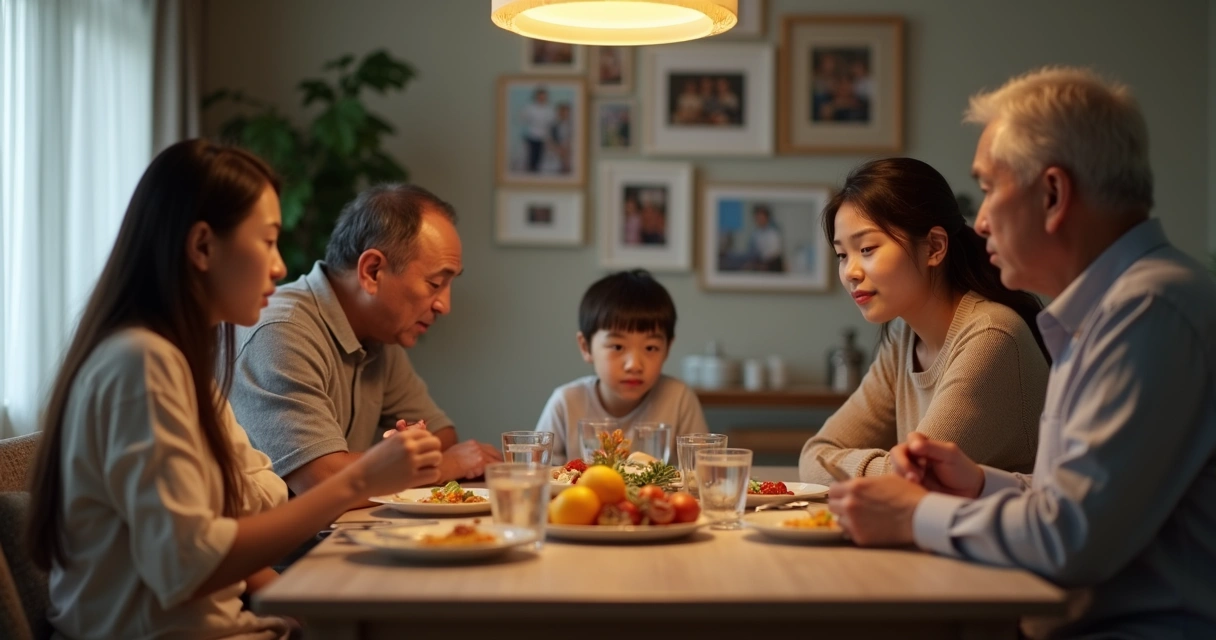
Families often think harm comes only from shouting, rejection, or open contempt. We think that is too narrow. Some of the deepest wounds begin with comments so small that people dismiss them before they even name them. A joke at dinner. A nickname that reduces a child. A repeated doubt about who someone is. It seems minor. It is not.
Microaggressions are small acts of exclusion, dismissal, or bias that build emotional strain over time.
In our experience, family systems absorb these moments quietly. One person speaks. Another goes silent. A third learns to laugh along. The event passes, but the pattern stays. That is how subtle harm becomes part of the home climate.
We often see this in families that otherwise describe themselves as loving. They may provide food, care, and support, yet still create an atmosphere where one member feels unseen or repeatedly corrected for simply being themselves. Love does not cancel impact. Good intentions do not erase repeated pain.
Why small comments matter so much
Family systems are not built only by big events. They are shaped by tone, repetition, and emotional permission. If a person hears, year after year, that they are too sensitive, too loud, too dark, too soft, too emotional, or not really part of a group, they begin to organize themselves around that message.
A father says, “You are overreacting.” A grandmother says, “We do not talk about that in this family.” An older sibling mocks the way a younger one speaks. Nobody hits anyone. Nobody storms out. Still, the room changes.
Small injuries can train a whole family to feel less safe.
We think this is why microaggressions are so hard to address. They hide behind normalcy. People say, “That is just how we talk.” Or, “You know what I meant.” But family life is made of repeated exchanges. When the same type of cut happens again and again, it becomes structural.
Readers who care about relationships often notice this first in trust. The harmed person stops sharing openly. They edit themselves. They predict ridicule before it arrives.
How microaggressions spread through the system
When one person is repeatedly diminished, the effect does not stay with them alone. It travels through roles, alliances, and emotional habits inside the home. We may see several shifts happen at once:
- Children learn which identities are accepted and which are questioned.
- Siblings copy dismissive language because it appears normal.
- One parent becomes the protector while the other becomes avoidant.
- Family gatherings turn tense, even when nobody says why.
After a while, the family may look functional from the outside but feel strained within. We have seen homes where everyone is polite, yet one person carries constant alertness. That alertness is not random. It is a response to repeated small threats.
In family systems, repetition gives microaggressions their force.
This is also why repair takes more than a single apology. If the pattern is old, the body expects it to continue. Trust returns when new behavior becomes steady.

Identity, belonging, and hidden exclusion
Many family microaggressions gather around identity. Race, gender expression, culture, ability, age, religion, body, and personality traits can all become sites of subtle attack. A person may be treated as too much of one thing, not enough of another, or somehow not authentic.
We see this clearly in research on family-based microaggressions experienced by multiracial individuals, which identified patterns such as familial isolation, favoritism, questioning authenticity, denial of identity, and lack of cultural heritage education. These patterns help us see that the issue is not only rude language. It is the quiet removal of belonging.
In a family system, belonging is emotional oxygen. When it is restricted, people adapt in painful ways. Some become invisible. Some become overly pleasing. Some become defiant because resistance feels less painful than erasure.
We often invite readers who reflect on consciousness to notice one hard truth. Many microaggressions are not planned acts of harm. They are inherited habits, unexamined fears, and old loyalties speaking through everyday language. That does not excuse them. It does explain why awareness matters.
What children learn from these moments
Children do not need adult vocabulary to feel the effect of microaggressions. They read faces, pauses, and tone. They notice who gets interrupted, who gets corrected, and whose pain is minimized. Then they form rules about love and safety.
Some of those rules can sound like this:
- I should hide parts of myself to stay close to my family.
- If I speak up, I will be called difficult.
- Some people in this home matter more than others.
These lessons shape later friendships, romantic bonds, and work life. A child who grows up around repeated subtle put-downs may become an adult who doubts their own perception. Or they may become reactive because their nervous system expects attack.
Children often absorb the emotional pattern before they understand the words.
We also need to say this plainly. Microaggressions can coexist with other forms of harm. Research on family pathways affecting sexual and gender minority adolescents shows complex family classes shaped by microaffirmations, microaggressions, violence, and adversity. This reminds us that subtle and overt harms are often linked, not separate worlds.
How families can begin repair
Repair starts when a family stops arguing only about intent and starts paying attention to effect. We have found that healing grows when people become willing to hear, “That hurt me,” without rushing to defend themselves.
A good first step is slower listening. Not debate. Not correction. Listening. If one person says a pattern has been painful for years, the family does not need a perfect answer in that moment. It needs enough steadiness to stay present.
Then families can work with a simple sequence:
- Name the behavior without exaggeration.
- Acknowledge the impact without conditions.
- Ask what would feel different next time.
- Practice a new response in real situations.
This is where integration becomes practical. People begin to connect what they say, what they feel, and what they repeat. They stop splitting kindness from accountability.
Sometimes the shift is small. A parent stops making comments about a child’s body. An aunt stops joking about accent or background. A sibling starts interrupting less and asking more. These are not cosmetic changes. They change the emotional field of the home.

Leading with care inside the home
Every family has forms of leadership, even if nobody uses that word. The people with more voice, age, or authority set the tone for what is permitted. When they model curiosity, repair becomes possible. When they mock, minimize, or deny, silence spreads.
That is why work on leadership inside family life matters so much. The strongest leaders in a home are often the ones who can pause and say, “I did not see that before. Tell me more.” We think that sentence can change years of defensive habit.
For readers who follow reflections from our team, this point often stands out. Family healing is not built by perfect language. It is built by honest attention, emotional maturity, and repeated repair.
Conclusion
Microaggressions may look small, but family systems register them with depth. They shape belonging, identity, safety, and the way love is expressed. When ignored, they teach people to split from themselves in order to stay connected. When faced with honesty and care, they can become openings for deeper truth.
We think the subtle impact matters because it tells us where the family is still divided inside itself. And when that division begins to heal, the home becomes less reactive, less confusing, and more human.
Frequently asked questions
What are microaggressions in families?
Microaggressions in families are repeated small comments, gestures, or attitudes that dismiss, stereotype, mock, or question a family member. They may sound like jokes or casual remarks, but over time they can create shame, distance, and emotional insecurity.
How do microaggressions affect children?
Children often learn from patterns more than single events. Family microaggressions can make them hide parts of themselves, doubt their feelings, or believe love depends on pleasing others. They may grow up with anxiety, silence, or strong defensiveness in close relationships.
How can families address microaggressions?
Families can address microaggressions by naming the behavior calmly, listening to the person affected, acknowledging impact, and changing repeated habits. The goal is not to win an argument about intent. The goal is to build safer and more respectful daily interactions.
Can microaggressions harm family relationships?
Yes. Microaggressions can weaken trust, reduce openness, and create long-term tension. Even when family members stay close in appearance, subtle harm can lead to emotional withdrawal, resentment, and fragile communication.
What are examples of family microaggressions?
Examples include mocking a child’s accent, questioning a person’s identity, making repeated body comments, calling someone too sensitive when they speak about pain, favoring one sibling based on appearance or personality, or excluding a family member’s cultural background from family life.