We all know the feeling. We see someone else doing well, looking calm, speaking with ease, or reaching a goal we still have not reached. In a second, our attention leaves our own path and turns outward. We measure. We judge. We tighten inside.
Social comparison is common, but common does not mean harmless. When it becomes a habit, it can disturb our emotional balance and weaken our sense of self. Self-dialogue does the opposite. It brings us back to our own inner space, where reflection can replace reaction.
Inner peace grows when we relate to ourselves with honesty, kindness, and clarity, not when we build our worth against someone else’s image.
Why comparison pulls us away from peace
Comparison begins as a quick mental act, but it rarely stays small. We compare our body, work, relationships, pace, healing, and even our way of suffering. Soon, another person becomes a mirror that does not truly reflect us.
In our experience, comparison creates tension because it places value outside us. Peace becomes conditional. We tell ourselves that we will feel calm when we catch up, stand out, or prove something. That inner deal is exhausting.
A recent binational longitudinal study on mindfulness, self-compassion, and comparison found that people with higher mindfulness and self-compassion showed much lower levels of social and temporal comparison across areas like career, appearance, and emotion. This helps confirm what many of us already feel in daily life. The more present and kind we are with ourselves, the less we need to measure our value through others.
Comparison makes peace feel distant.
That does not mean all comparison is wrong. At times, it can give us direction. We may learn from someone’s discipline or courage. But when comparison becomes identity-based, it starts to wound us. Instead of asking, “What can we learn?” we ask, “What is wrong with us?”
That question rarely leads to peace.
What self-dialogue changes inside us
Self-dialogue is the practice of speaking inwardly with awareness. It is not mere positive thinking. It is a real conversation with our feelings, our fears, our motives, and our needs. It asks us to pause and listen before judging.
Self-dialogue helps us name what we feel, instead of acting from what we have not understood.
We think this matters because many inner conflicts stay active simply because they remain unnamed. A person may say, “I am jealous,” but under that jealousy there may be grief, insecurity, loneliness, or shame. Self-dialogue helps us move beneath the surface.
A simple inner exchange can change the whole tone of a moment:
“Why am I upset by this?”
“What fear did this trigger in me?”
“What am I needing right now?”
“What is true about me, even if someone else is ahead?”
These questions do not erase pain at once. They create space around it. And space is often where peace begins.
If we want to grow in this kind of awareness, practices related to consciousness and meditation can support a steadier inner life.
How social media sharpens the problem
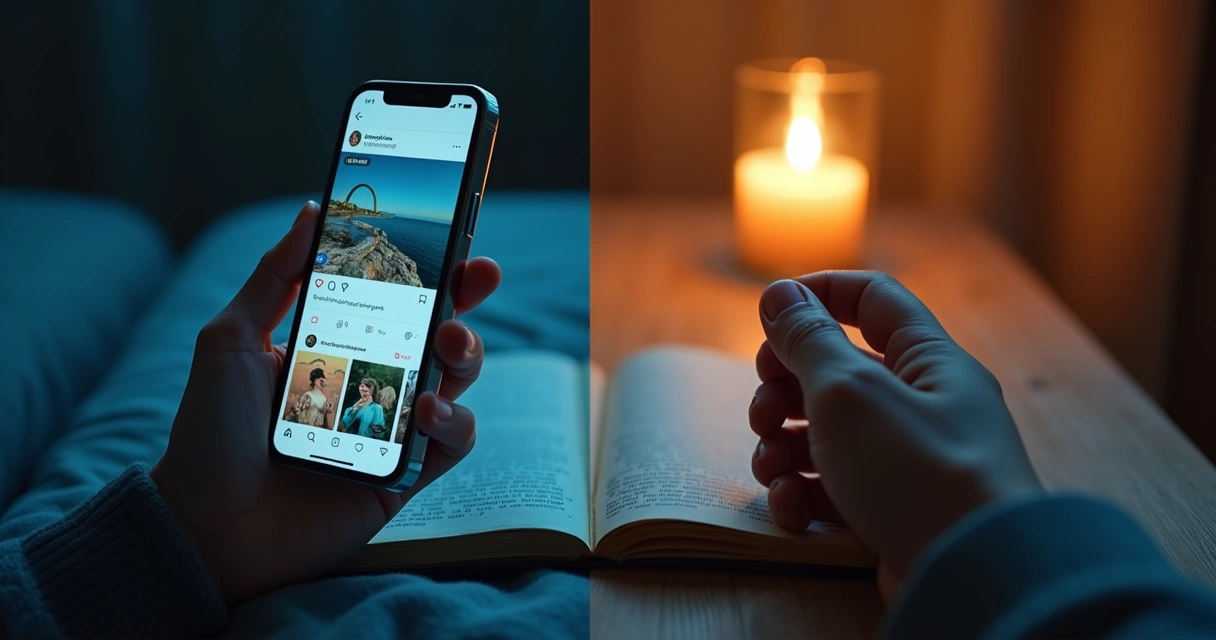
For many of us, comparison is no longer occasional. It is built into daily scrolling. We see selected moments, polished faces, good news, and visible milestones. We compare our full life to someone else’s edited frame.
This affects mood fast. In one moment we are stable, in the next we feel behind. We may even start questioning choices that felt right before we looked outward.
Research from two preregistered experiments on self-affirmation and upward social comparison showed that a brief self-affirmation before seeing idealized content helped protect people from envy and helped preserve positive affect. That is a useful insight. When we reconnect with our own values first, outside images lose some power over our emotional state.
We have seen this in simple daily moments. Someone opens a social app while already tired, sees another person’s success, and instantly feels small. But if that same person first remembers what matters, what has been lived, and what is honest in their own journey, the reaction softens.
That is not denial. It is grounding.
Signs that comparison is running your inner life
Sometimes comparison is so normal that we do not notice its weight. We only notice the symptoms. A few signs tend to appear together:
We feel uneasy after seeing other people’s updates.
We dismiss our progress because someone else seems further ahead.
We struggle to celebrate others without shrinking inside.
We make choices to be seen well, not because they fit us.
We feel pressure to perform calm, growth, or success.
When these patterns become frequent, inner peace fades. There is too much outer noise in the place where self-trust should live.
How to build a stronger self-dialogue
Self-dialogue becomes stronger through repetition. Not perfection. We do not need a grand ritual. We need honesty and rhythm.
We can start with a sequence like this:
Pause when discomfort appears.
Name the comparison clearly.
Notice the emotion under it.
Ask what story the mind is telling.
Answer with truth, not attack.
For example, we may think, “They are ahead, so I am failing.” A grounded self-dialogue replies, “Their path is visible to me. My full path is visible to me. These are not the same thing.” That sentence alone can reduce a lot of pressure.
Healthy self-dialogue is not self-praise without limits. It is truthful inner guidance without inner violence.
It also helps to create supportive habits around this process:
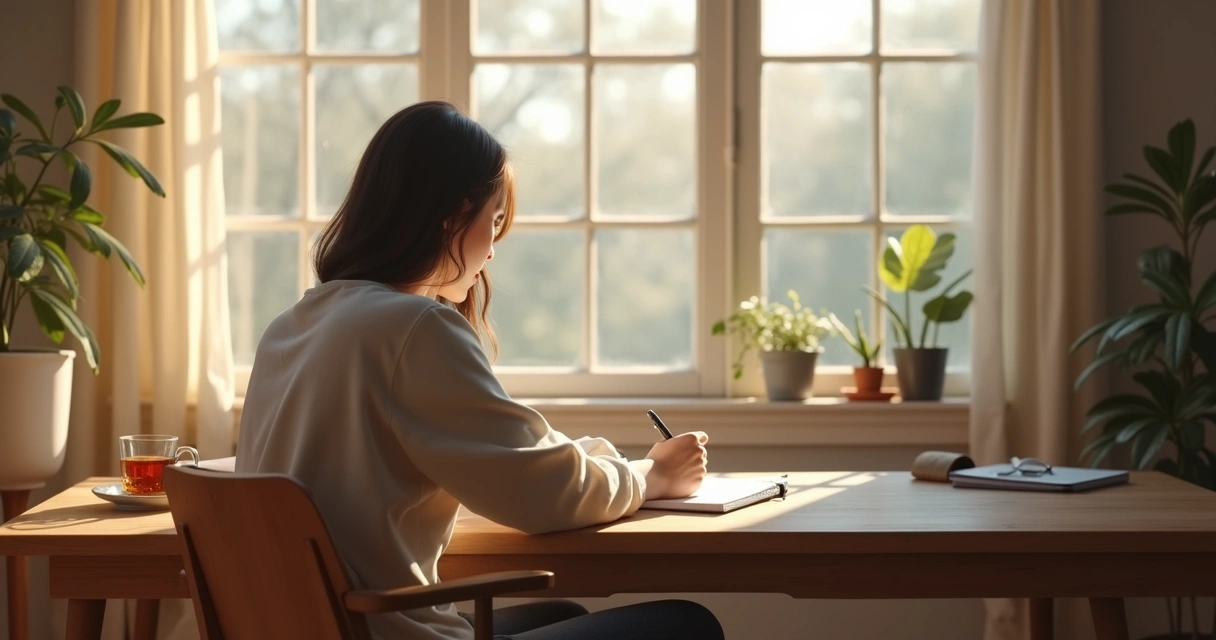
Write a few lines at the end of the day.
Limit exposure to content that triggers repeated self-rejection.
Practice moments of silence before reacting.
Return to values instead of image.
Many people also find support by reading more on integration and relationships, since comparison often affects both our inner balance and the way we connect with others.
What peace asks from us
Inner peace does not ask us to stop seeing others. It asks us to stop abandoning ourselves while we do. We can admire without imitating. We can learn without diminishing our own place. We can witness another person’s season without turning it into a sentence about our worth.
There is a story many of us have lived. We enter a room, notice who seems more confident, and feel smaller without any real reason. Hours later, we realize the room was not the problem. The quiet war inside us was. Self-dialogue interrupts that war.
If you want to keep reflecting on this theme, a broader search through related topics may help you find practices that fit your own process.
Conclusion
When we compare ourselves too often, peace becomes fragile because our value depends on changing external measures. Self-dialogue leads in another direction. It helps us face insecurity, understand emotion, and answer ourselves with maturity.
Between social comparison and self-dialogue, self-dialogue is what builds lasting inner peace.
Comparison may happen. We are human. But it does not need to rule our inner life. When we return to clear, honest, and compassionate conversation with ourselves, we recover ground that no image, ranking, or outside opinion can give us.
Frequently asked questions
What is social comparison?
Social comparison is the habit of judging ourselves by looking at other people. We may compare appearance, success, emotions, relationships, or progress. It can happen quickly and often without full awareness.
What is self-dialogue?
Self-dialogue is the inner conversation we have with ourselves. It includes the way we interpret events, respond to feelings, and guide our choices. Healthy self-dialogue is honest, calm, and respectful.
How does social comparison affect peace?
Social comparison can weaken peace by creating envy, shame, pressure, or a sense of failure. When we depend on others to measure our worth, emotional stability becomes harder to keep.
How can I practice self-dialogue?
We can practice self-dialogue by pausing during emotional discomfort, naming what we feel, asking what triggered it, and answering ourselves with truth instead of criticism. Journaling, silence, and reflection also help.
Which is better for inner peace?
Self-dialogue is better for inner peace because it builds self-awareness and emotional balance. Social comparison may offer information at times, but self-dialogue is what helps us stay grounded and at peace within ourselves.