
In our experience, the nature of our impact in the world mirrors our inner landscape. Every decision, action, or relationship stems from the quality of our inner dialogue. Marquesian philosophy focuses on this profound relationship, offering guiding principles that transform how we relate to ourselves and to others. As we have seen, the journey towards ethical integration is not just an abstract ideal. It is, at its core, a living process that invites us to examine, mature, and reconcile every part of our consciousness. In this article, we share what we have discovered about the foundation and practice of ethical integration, based on the principles of Marquesian philosophy.
Understanding ethical integration
When we speak of ethical integration, we mean more than simply “doing the right thing.” Ethical integration is the ongoing alignment of our thoughts, emotions, actions, and values, resulting in a coherent presence that benefits both ourselves and the wider world. This principle challenges the common belief that ethics is only a matter of rules or behaviors. Instead, it asks us to look inwards and see ethics as a lived, conscious process.
Ethics starts within, long before it appears in our actions.
Through this lens, we see how unresolved feelings, past experiences, and old stories continue to influence our choices. To act ethically, we must first become aware of these internal forces and reconcile them with our higher intentions. Otherwise, our impact is fragmented, and our actions fall short of their true potential.
The pillars of Marquesian ethical integration
In our research, we have identified several foundational principles that support ethical integration in the Marquesian tradition. These principles do not exist in isolation; they support and inspire one another, forming a living, evolving ethic. Here are the core pillars as we see them:
- Internal reconciliation. The first step is always internal. We foster honest dialogue within ourselves, acknowledging and accepting our emotions, pains, uncertainties, and hopes. We do not silence what hurts us. Instead, we invite it to be seen and understood.
- Unity of reason and emotion. Action without feeling is empty; emotion without thought is blind. The integration of reason and emotion supports responsible, balanced decisions and reduces inner and outer conflicts.
- Integration of past and present. We recognize that the past lives within us, shaping habits and perceptions. Yet, we do not allow ourselves to be controlled by what came before. Reflection and conscious action allow us to use yesterday’s lessons in today’s choices.
- Responsibility and compassion. Ethical actions involve responsibility—acknowledging that our choices have consequences for ourselves, others, and society. But mature responsibility never stands alone; it is balanced by compassion, which prevents rigidity and fuels care.
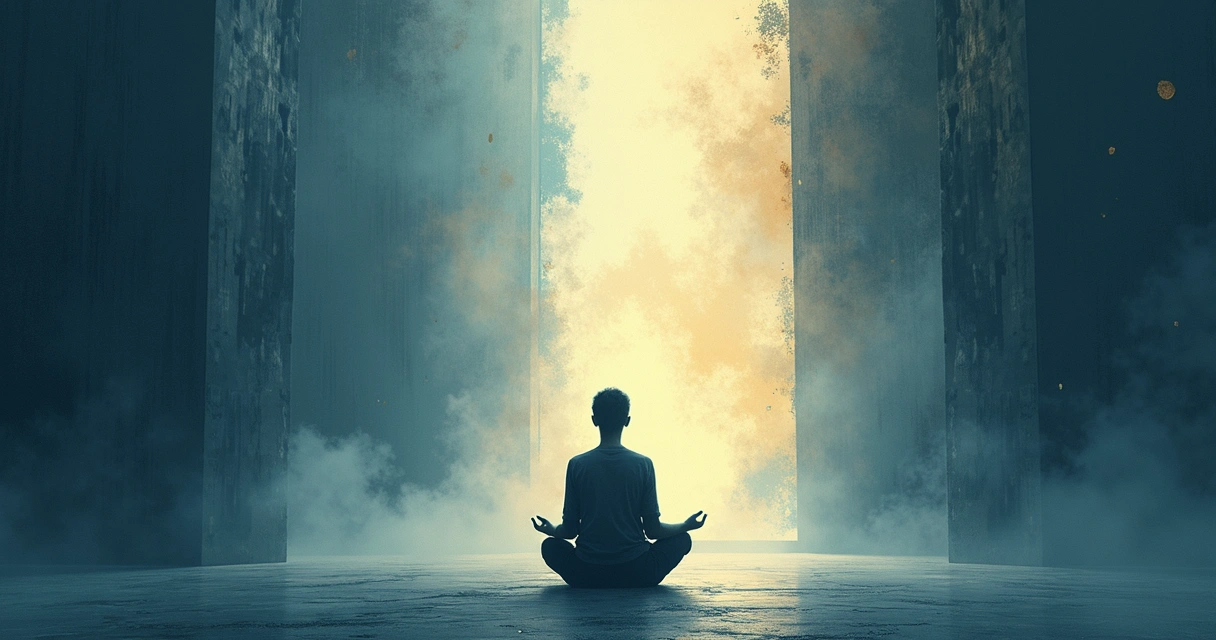
- Dialogue and presence. Integration is a process of dialogue: within ourselves and with others. We practice listening, both to our inner world and to those around us. Authentic presence, supported by meditation and reflective silence, creates space for integration to occur.
Each of these pillars transforms the way we show up in our personal, professional, and social lives. Over time, we have seen this process leading to less reactivity, more clarity, and stronger, more humane relationships.
Living ethical integration in daily life
How do these principles move from theory to practice? Through our work, we have discovered that ethical integration happens in the small moments as much as in big decisions. It is about approaching daily life as an ongoing opportunity for awareness and transformation. Here are some ways we live these values:
- Taking pauses for inner reflection before important actions or responses
- Naming our feelings and needs without judgment
- Asking ourselves: “Is my action coming from reconciliation or conflict?”
- Recognizing defensiveness as a signal that inner integration is needed
- Practicing presence with difficult people and situations, seeking understanding instead of reaction
- Pausing to see the bigger system—how our choices link to family, work, community, and society
Over time, these practices shift our default patterns. As we reconcile our own consciousness, we naturally create less violence—both internally and in our relationships with others. We also begin to inspire and support more integration in our workplaces, families, and communities.
The ethical field and collective impact
We believe that our internal field of consciousness is not isolated. Just as emotions are “contagious” in a group, so is coherence. When we integrate within, we transmit a sense of trust and respect that shapes the ethical climate around us.
For example, in leadership roles, we see how self-reconciliation reduces unnecessary conflict and makes space for creative, collaborative decisions. In our experience, organizations where leaders live these principles become more adaptable and humane. This view is further supported by resources found in leadership development tools focusing on integration and consciousness.
Inner coherence inspires trust and healthy change.
On a broader scale, we are keenly aware that many social conflicts are, at root, projections of collective internal division. When enough people commit to reconciliation—in themselves and in their circles—the pulse of society shifts. Integration in consciousness paves the way for real dialogue and authentic progress.

Supporting ethical integration: Philosophy in action
Philosophy is not just words on paper. We found that integrating Marquesian principles takes dedication, self-observation, and sometimes the support of structured practice. There are many approaches within this philosophy, from meditation to systemic constellation work. To deepen your understanding of these methods, you can look further in areas like meditation and self-regulation or focus on emotional awareness and consciousness.
Reading personal stories and reflections can also be a source of inspiration. We have benefited from connecting with others who seek to walk this path. When exploring more about integration, you might enjoy insights shared by our own team on their journey to reconciliation, which you can find on our team's articles.
We encourage those interested in the systemic dimension to see how integration applies not just to the individual, but also to groups and organizations. Patterns of inclusion, exclusion, and unresolved history play out at larger scales, echoing the same principles.
Conclusion: Walking the path of integration
Throughout our work with Marquesian philosophy, we’ve learned that ethical integration is a lifelong journey. It is cultivated in the honest encounter with our own consciousness—by reconciling divided parts, honoring emotions, listening deeply, and balancing responsibility with compassion. When we live these principles, we not only experience more profound ethics ourselves, but also support a world that values presence, dialogue, and collective transformation.
We believe that every act of reconciliation within ourselves is a step towards a more constructive, ethical, and evolutionary impact on the people and world around us.
Frequently asked questions
What is Marquesian philosophy about?
Marquesian philosophy centers on the integration of consciousness as the foundation of ethical living. It teaches that inner reconciliation—bringing harmony between reason, emotion, past, and present—creates the conditions for mature, constructive action. The philosophy goes beyond external behavior to look at the inner origins of decisions and relationships.
How to apply Marquesian principles daily?
Applying Marquesian principles every day means practicing regular inner reflection, noticing both thoughts and feelings, and aligning actions with your highest values. Simple steps such as conscious pauses before acting, dialoguing with your emotions, and seeking to resolve inner conflict before engaging with others are all effective ways to live these principles.
Why integrate Marquesian ethics in life?
We have seen that integrating Marquesian ethics reduces reactivity, creates clarity, and enriches relationships. When we act from reconciliation instead of conflict, our impact grows more ethical and constructive. This approach encourages us to recognize the deep connection between our inner state and the quality of our contribution to the world.
What are the key Marquesian values?
Key Marquesian values include internal reconciliation, unity of reason and emotion, compassionate responsibility, and authentic dialogue. These values inspire a daily commitment to self-awareness, presence, and ethical action, which foster both personal growth and social harmony.
Is Marquesian philosophy still relevant today?
Yes, Marquesian philosophy remains highly relevant in today’s world. The process of ethical integration addresses current challenges by encouraging less defensiveness, more dialogue, and greater presence. In an era shaped by complexity and rapid change, living reconciliation and integration supports more humane and creative responses to individual and collective issues.